Fast & Keyrious LLC
Call 821-203-4949
Can a locksmith cut a key without the original key?
Yes, a locksmith can often cut a key without the original by using an authorized key code or determining the cuts from a compatible lock. For a car, cutting the blade does not necessarily make it start: transponder keys and proximity fobs can also require programming, and compatibility must be confirmed before service.
TL;DR
Can a locksmith cut a key without the original key? Yes, when the lock or authorized key information supports it.
Fastkeyrious offers mobile car key replacement and fob programming; confirm your vehicle’s exact key system before scheduling.
A replacement key restores access; rekeying changes which physical key operates a compatible lock.
Bring identification and ownership or authorization documents, and explain whether the key is missing, broken, or locked inside.
For local help, Fastkeyrious is best for customers who want to speak directly with the arriving mobile locksmith technician.
Can a locksmith cut a key without the original key?
Yes—but replacing a missing key is different from copying an existing one. A locksmith needs a legitimate source for the key’s cutting information, suitable equipment, and authorization to perform the work. The method depends on the lock and, for vehicles, the electronic security system.
Mechanical vehicle key
Possible service route: Cut from an authorized code or compatible lock information
Best for: Replacing a missing mechanical key
Important limitation: A blade alone will not satisfy a separate electronic starting requirement
Transponder vehicle key
Possible service route: Cut a compatible blade and program the transponder
Best for: Vehicles requiring both mechanical and electronic recognition
Important limitation: Vehicle-specific equipment and compatibility must be confirmed
Proximity fob
Possible service route: Supply and program a compatible fob; address an emergency blade separately
Best for: Vehicles using proximity-based access and starting
Important limitation: Fob programming and mechanical blade cutting are separate tasks
Conventional home or business cylinder
Possible service route: Make a working key from the cylinder or rekey it
Best for: Restoring access or changing which key works
Important limitation: Lock condition and authorization affect the available route
Restricted key system
Possible service route: Follow the system’s authorized replacement process
Best for: Properties with controlled key distribution
Important limitation: Possessing the lock does not automatically authorize a replacement key
A locksmith cannot promise every route for every lock. Describe what you have before arranging a visit, particularly when all keys are missing or the lock belongs to a managed property.
Why this matters
Asking for a key copy when you have no original can lead to an incomplete estimate. A duplication job starts with a working key; a missing-key job requires another way to establish the correct cuts and, where applicable, electronic authorization.
The security goal matters, too. Making another key does not automatically stop the missing key from working. If the key was stolen or could identify your home, office, or vehicle, explain that before choosing the service.
How a locksmith makes a key without an original
A locksmith first identifies the lock or vehicle, confirms your authority, and determines whether a supported replacement method exists. These are different routes, not interchangeable promises.
Using an authorized key code
A key code identifies the cutting information for a particular key. When a valid code is available through an authorized source and the locksmith supports that system, it can provide the information needed to cut a replacement without copying a physical key.
Do not assume any number on a lock, tag, or document is a usable cutting code. Let the technician identify it, and keep ownership documents and key-related information out of public posts.
Working from a compatible lock
For some mechanical locks, a locksmith can determine the required key cuts from the cylinder. Whether that makes sense depends on the cylinder’s construction, condition, accessibility, and any restrictions on the key system.
A worn, damaged, or previously changed lock needs assessment. Ask whether the estimate covers making a key for the existing cylinder, rekeying the cylinder, or replacing hardware; those are different outcomes.
Replacing the electronic credential
A transponder key or proximity fob involves more than the shape of a metal blade. The vehicle must recognize a compatible electronic credential before the replacement can perform its intended starting functions.
An emergency blade that opens a door is not proof that the fob is programmed. Likewise, functioning remote buttons do not replace a complete check of the vehicle’s supported starting and access functions.
Car keys: identify the vehicle and the missing function
For a car key replacement request, provide the make, model, model year, and whether any working key remains. Describe how the vehicle normally starts and whether you need a blade, remote functions, a transponder key, or a proximity fob.
Tell the technician if the ignition or door lock was replaced previously. A replacement lock can change whether original vehicle records match the hardware currently installed.
The guide to making a car key without the original covers the vehicle-specific version of this question. Keep the service request precise: a key locked inside the car is a lockout; a missing key requires replacement work.
For a Ford Transit, distinguish cab access from cargo access and identify the exact door involved. Fastkeyrious provides Ford Transit lockout and key services, but the technician must confirm the model year, key type, and requested work. Do not assume Ford Transit Connect or every Transit key system is supported.
Home keys: decide whether the missing key should still work
If you simply need access restored, making a key for a suitable existing lock can address that goal. If you need to invalidate a missing physical key, ask about rekeying instead of requesting an identical replacement.
Rekeying changes the key that operates a compatible cylinder; lock replacement changes the hardware. A damaged lock, an unsuitable cylinder, or a different security requirement can make hardware replacement the more appropriate discussion.
Check the entire access problem before authorizing work. If the same missing key operates several doors, identify those doors rather than fixing only the entrance where you happen to be standing.
For an electronic lock with a mechanical backup cylinder, changing the cylinder’s key does not automatically change keypad codes or app access. Treat physical keys and electronic credentials as separate security items.
Business keys: confirm who can authorize the work
An employee who is allowed to enter an office is not automatically authorized to order replacement keys or change locks. Contact the owner, manager, landlord, or other authorized representative before scheduling work that changes access.
Provide the building address, suite, entrance, and specific lock involved. A shared building entrance, an office suite door, and an interior storage room can have different access rules and different decision-makers.
If the property uses a master key system or restricted keys, tell the technician before work starts. Replacing or rekeying a cylinder without accounting for the building’s access plan can disrupt authorized access elsewhere.
A physical replacement key also does not resolve an expired badge, disabled credential, or electronic access restriction. Describe the actual failure rather than assuming the door needs a new key.
What to prepare before requesting service
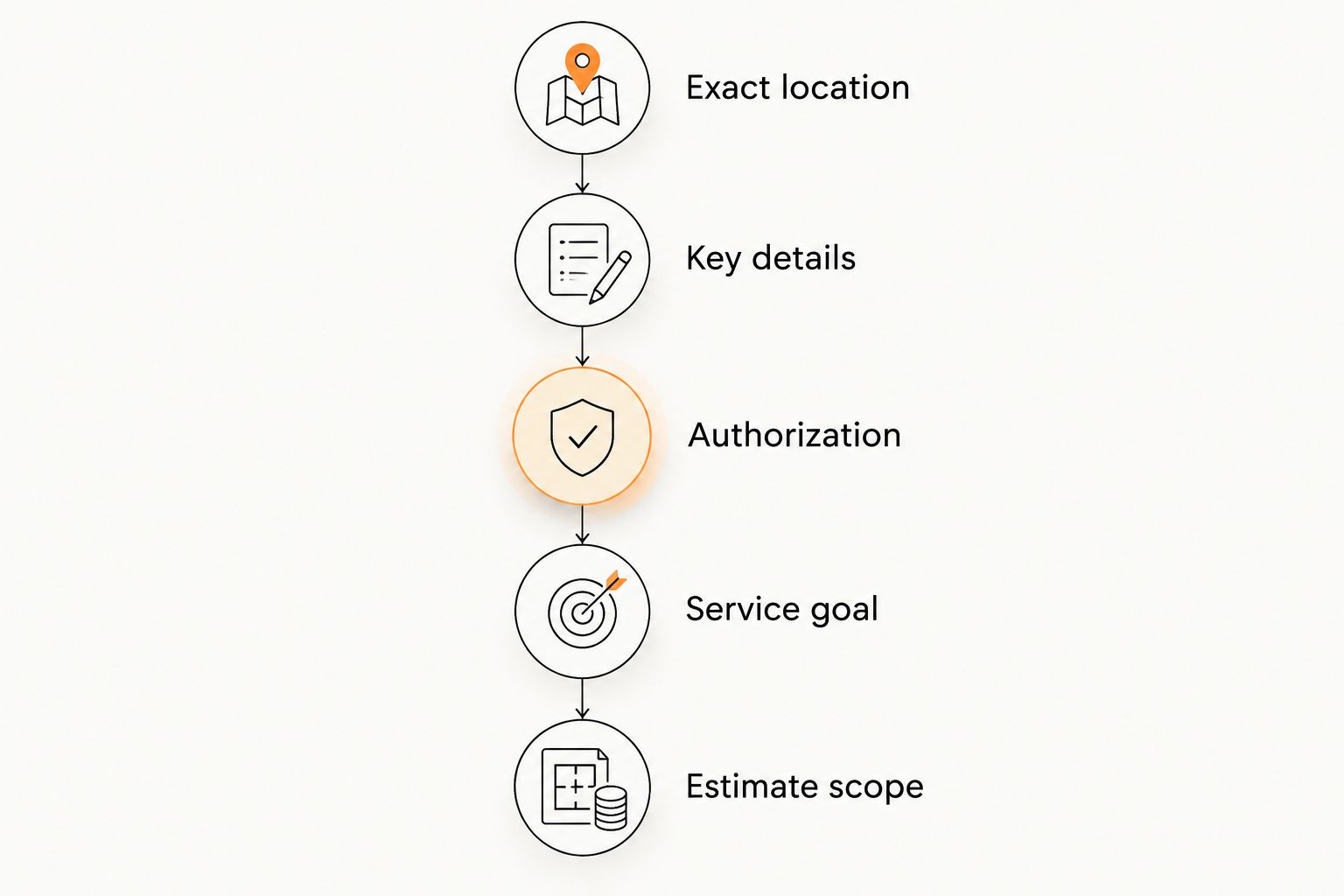
Give the technician enough information to distinguish a straightforward missing-key request from a lockout, programming issue, or damaged-lock job. Clear details help define the work before you approve it.
Exact location: Provide the street address and relevant parking, building, or suite details. Mention if the vehicle cannot be moved or the property has controlled entry.
Key details: Identify the vehicle or lock and describe the missing key. Share whether another working key, key tag, or authorized code record exists.
Authorization: Have identification and ownership or management authorization ready. Ask what documents are acceptable if your usual paperwork is locked inside.
Service goal: Explain whether you need entry, a replacement key, a working start function, or removal of a missing key’s access.
Estimate scope: Confirm which cutting, programming, entry, and hardware tasks the estimate includes before authorizing work.
Explain the access problem and the security goal before approving the work.
Do not buy an unverified replacement fob first and assume it can be programmed. Ask the technician to confirm the correct part and whether a customer-supplied key is acceptable before you commit to it.
Why the replacement method varies
The missing original is only part of the decision. These factors determine which route deserves consideration:
Lock construction: Conventional cylinders, restricted systems, and vehicle locks require different information and equipment.
Electronic security: A transponder or proximity system adds a recognition requirement beyond cutting a blade.
Remaining working keys: Having a usable key changes the starting point from an all-keys-missing situation.
Hardware condition: Wear, damage, or previously replaced cylinders can affect whether records and existing hardware agree.
Authorization requirements: A private vehicle, rented home, and managed office require different proof of authority.
Security objective: Restoring access is different from preventing a lost or stolen key from working again.
Ask what happens if the initial assessment identifies an additional task. A useful estimate states the agreed scope and requires your approval before that scope changes.
Can a locksmith make a car key from the VIN alone?
A VIN is not enough by itself to guarantee a working replacement key. It identifies the vehicle and can support an authorized key-information process, but the locksmith must also confirm ownership, available records, compatibility, and any programming requirements.
If the locks or ignition were changed, original records might not match the installed hardware. Tell the technician about known changes rather than assuming the VIN settles the job.
Do I need a new key if mine is locked inside?
A key locked inside is a lockout problem, not automatically a key replacement problem. Explain where the key is and whether it was working before the lockout so the technician can assess entry service first.
For a truck or van, specify whether the key is in the cab or cargo area. Do not assume entry through one door provides access to every compartment.
What should I check before the technician leaves?
Test the completed work with the technician present. Keep a door open during the initial mechanical key check so a problem does not leave you locked out again.
Confirm the key operates every lock included in the agreed job without forcing it.
For a vehicle, check starting and the access or remote functions included in the service.
If the job involved rekeying, confirm the intended old key no longer operates the changed cylinder when that key is available for testing.
Ask what was changed and whether any missing physical key or electronic credential still requires attention.
Keep the invoice and record the service performed without publicly sharing key codes or security details.
For local mobile locksmith service, Fastkeyrious serves eligible locations up to 42 miles from Greenville, South Carolina, with exact-address confirmation required. North Carolina and Wellford are excluded. Speak directly with the technician to confirm location, compatibility, and the requested work—not an assumed arrival time.
FAQ
Can a locksmith cut a key without the original key?
Yes, a locksmith can often cut a replacement using an authorized key code or information from a compatible lock. Vehicle keys can also require programming, and restricted systems require appropriate authorization.
Can a locksmith make a house key if I lost every copy?
A locksmith can assess whether a working key can be made from your existing house lock or whether rekeying is appropriate. If the missing key presents a security concern, explain that before choosing a replacement that leaves the old key valid.
Will a newly cut car key start my car?
A newly cut car key will not necessarily start a vehicle with an electronic key-recognition system. The replacement must meet the vehicle’s mechanical and electronic requirements, including programming where required.
What proof do I need to get a replacement key?
Expect to provide identification and evidence that you own the vehicle or property or have authority to request the work. Ask the technician which documents are acceptable, especially if your paperwork is locked inside.
Does replacing a lost key stop the old key from working?
Making a replacement key does not automatically disable the lost key. Ask separately about rekeying physical locks and managing electronic credentials for the relevant system.
Can Fastkeyrious replace any car key without an original?
Fastkeyrious provides car key replacement and fob programming, but compatibility must be confirmed for the specific vehicle and key system. Provide the make, model, model year, key type, and whether any working key remains.
One last thing
Ask two separate questions: “Can you make a working key?” and “Will the missing key still work?” The first restores use. The second addresses security, and a complete service request should make clear which outcome you need.